
Researchers – ever fancied starting your own business?
Dr Hiten Vyas, Business Adviser at the University’s Enterprise Club is running a new workshop on starting your own business, especially for the Graduate School, on Monday 11th January in the TPod, Rockingham Library from 1:30-3:30pm.
Aimed at research students and early career researchers, the workshop will cover the key topics to enable you to put together your first business plan. For anyone starting a business, your business plan acts as a unique roadmap to help start and develop your business and is also an essential tool if you intend to look for financial investment.
This workshop is part of a series of careers workshops for researchers. Other workshops coming up include a CV workshop on 25th January and a mock interview workshop on 18th February. Read the rest of this entry
New year’s resolutions: new skills anyone?
Happy new year to all from The Graduate School.
 If you’re a Postgraduate Research Student how about making a new year’s resolution to focus more on your skills development. What knowledge or ability do you need to develop in 2016 to support your research degree? And what about your future career? Don’t wait until you’ve nearly finished your doctorate before you focus on that!
All the skills development workshops provided by the Graduate School (and the individual School’s discipline based programmes) are free to Northampton PGRs, so why not tap into them and learn some new skills to help support your doctoral studies and your career. Many workshops are also open to early career researchers working at the University.
Workshops coming up: Read the rest of this entry
Research Support Hub: 2015 in review
A very Happy New Year to all our readers!
We’ve just received the WordPress 2015 annual report for the Research Support Hub.

There are some intriguing (if of dubious value) stats:
- The Hub’s busiest day was February 5th, with 448 views (mostly accounted for by Images of Research voting)
- The most popular day of the week for posting was Thursday (with 59 posts)
- The 2015-2016 PGR and ECR skills development programme attracted the most views in 2015, with Increasing your citation count and SPSS software now available in 2nd and 3rd place
- Facebook was the Hub’s top referring site
- Visitors came from 148 countries
Invitation to Images of Research 15-16 Private Viewing
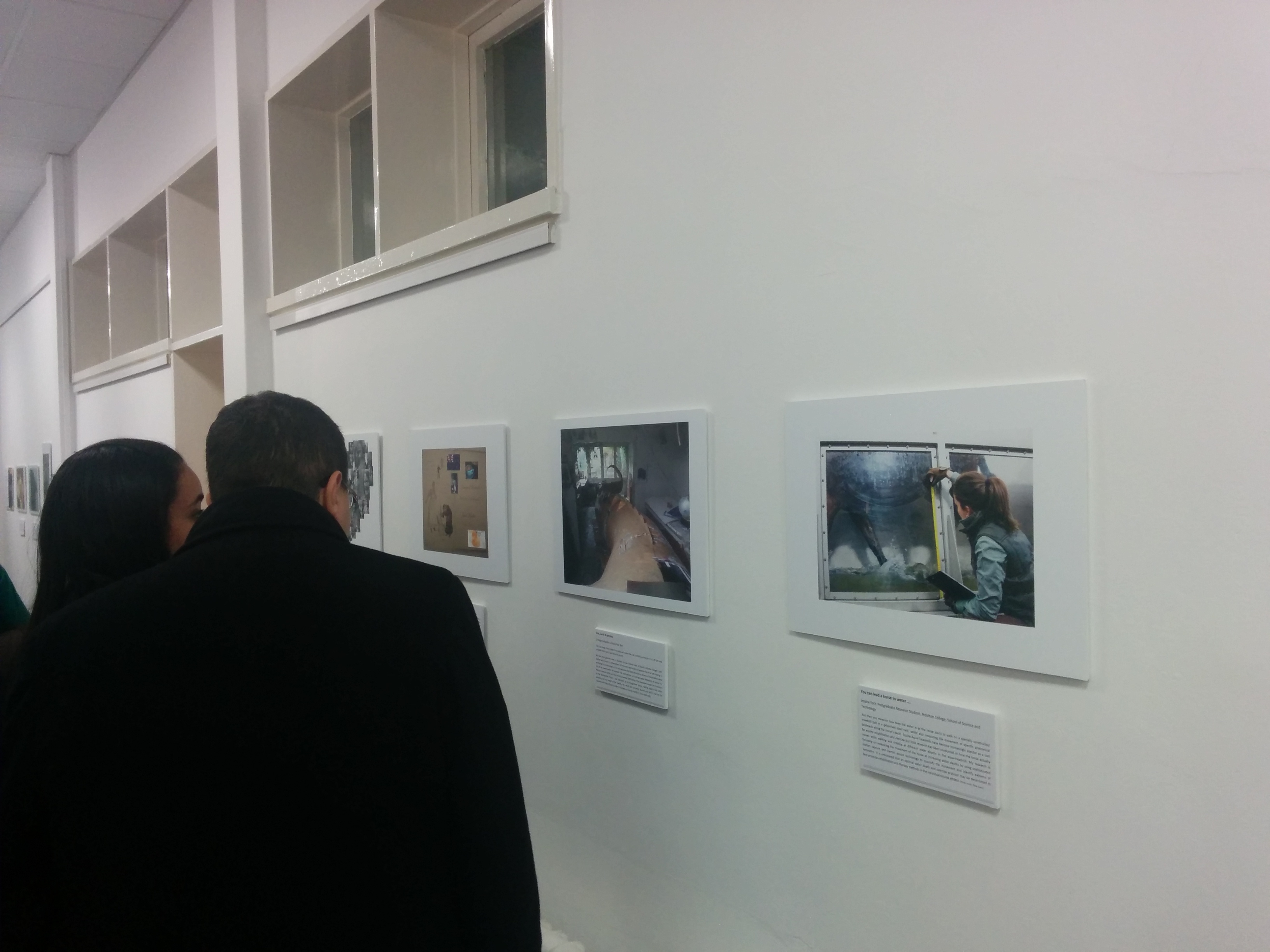 You are cordially invited to
The Graduate School’s Images of Research
Private Viewing & Drinks Reception
on February 1st 2016 at 5:00-6:30pm.
Introduction by Professor Simon Denny at 5:45pm
Please register your interest in attending for catering purposes
We look forward to seeing you there!
Discipline-related research skills from the School of Social Sciences
 The School of Social Sciences offers a programme of multidisciplinary training workshops. Subject-specific training and support is also offered via a diverse range of specialist research groups. Their programme is open to all PGRs at the University of Northampton.
Workshops coming up in 2016 include Research Impact, Researching with Vulnerable Groups (a joint workshop with the School of Health), and Open Access in the REF. Read the rest of this entry
Merry Christmas and a happy new year…
…to all research students and supervisors, staff and students at the University of Northampton.
Best wishes for a successful 2016 from everyone in The Graduate School, Top Lodge.
We will be open until Thursday 24th December 4pm and then closed until Monday January 4th 2016.
Simone, Ian, David, Twiggy and Laura


BIS announces review of the REF
“Universities and Science Minister Jo Johnson today (16 December 2015) launched a UK-wide review of university research funding to cut red tape so that universities can focus more on delivering the world-leading research for which the UK is renowned.
Following the decision to protect the £4.7 billion annual science and research budget in real terms during this Parliament, the Research Excellence Framework (REF) review will help ensure the government gets the most return from its investment.
The review will be chaired by the President of the British Academy and former World Bank Chief Economist Lord Nicholas Stern.”
Read more here: Government launches review to improve university research funding

Piirus – connecting researchers
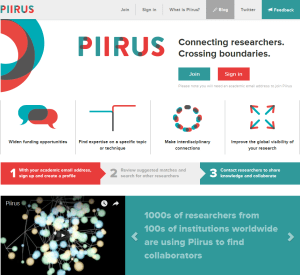 If you are looking for a new research partner or wishing to extend your research network then Piirus may the place to start.
Open to anyone with an academic email address, once you have signed up and entered your own details, Piirus enables you find other researchers with similar interests to your own. Think of it as a research dating service for potential collaborators!
Why not take a look? I’d be interested to hear how you get on.

The NECTAR journey: from acceptance to compliance
The University’s new Open Access policy – driven by HEFCE requirements for the post-2014 REF – has a simple message at heart for publishing researchers: act on acceptance. In practice, this means timely deposit of items in NECTAR, and we’ve made a few changes to help with this. This post takes a look at the NECTAR workflow, from acceptance to publication.

Important: new open access policy for the University
At last week’s meeting of the University’s Research and Enterprise Committee, members approved a new open access policy for the University. Aligned with, and supporting, HEFCE’s open access policy for the REF, the University policy states:
The University supports the principle of open access and expects researchers to share their research outputs freely, subject to legal, ethical, commercial or contractual constraints.
From 1st April 2016:
• All researchers will record bibliographic details of their research outputs in NECTAR within three months of the date of acceptance for publication, presentation or other dissemination in the public arena.
• The authors of journal articles and conference proceedings will upload the accepted full text copies of their work to NECTAR within three months of acceptance for publication.
• The full content of other research outputs should be deposited In NECTAR as soon as possible.
• All full content will be made openly available immediately or following the expiry of an agreed embargo period.

