Category Archives: Support

The NECTAR journey: from acceptance to compliance
The University’s new Open Access policy – driven by HEFCE requirements for the post-2014 REF – has a simple message at heart for publishing researchers: act on acceptance. In practice, this means timely deposit of items in NECTAR, and we’ve made a few changes to help with this. This post takes a look at the NECTAR workflow, from acceptance to publication.

2015-16 Changes to postgraduate research degree documentation
 A number of changes have taken place to the regulations, policies, guidance and forms for postgraduate research (PGR) programmes. The student and supervisor toolkits now reflect all of the changes. This post will explain the changes and provide links to new content.
Research related committees – When are they and who are they?
Welcome to the 2015-16 cycle of committees (research degrees board, research degrees committee, research ethics committee)!
The committee dates and deadlines are now available in the supervisor toolkit and student toolkit.
It is also important that you know who the members of the committees are and what their roles are. You can find a listing below. Postgraduate Research students are reminded that RDB members are available for pastoral support (please see the PGR Code of Practice in the Student Toolkit for more information)
Each of the committees includes student representatives and if any postgraduate research students are interested in being involved, they should contact me. Read the rest of this entry
The Altmetric bookmarklet – a researcher view
“Academics seem to be obsessed with metrics of all kinds at the moment, and I’m certainly not immune to it as my recent post on the h-index demonstrated. So I was intrigued by a new (at least to me) browser plug-in that gives you instant altmetrics such as number of times mentioned on Twitter, Facebook or on news outlets, or cited in blogs, policy documents, Wikipedia, etc. …”
Read more about his experience with the Altmetric bookmarklet in Professor Jeff Ollerton’s blog.

RDM at the University of Northampton: state of play
Over the last three years the University has been implementing its roadmap for research data management (RDM). This post outlines some of the work that has been undertaken and describes where we are now with respect to support for RDM at Northampton.
The University’s RDM roadmap was created in response to a demand from the Engineering and Physical Sciences Research Council (EPSRC) that Universities in receipt of EPSRC funding must conform to a set of expectations concerning the management of research data. Institutions were (by April 2012) expected to produce a roadmap outlining how they would meet these expectations and then (by April 2015) to implement that roadmap.
Finding sources of funding for your postgraduate degree study.
 Are you a postgraduate student (PhD, Professional Doctorate, Mphil or Masters student) at the University of Northampton who is self-funded? Would you like a chance to win funding for fees, maintenance, travel, conference attendance and other research expenses? If so, you might be interested in the next few paragraphs!
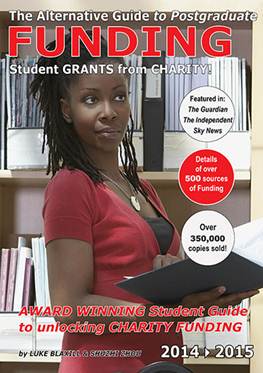 Lucy Atkinson’s new workshop “Finding Alternative Sources of Funding” ran on Wednesday 24 June – Lucy has been very successful in obtaining funding for her self-funded PhD and in the workshop she shared her ideas for gaining funding from a variety of sources but, particularly, a major, but neglected, alternative funding source in the area of charities and external bodies. Read the rest of this entry
Top tips for doctoral examiners
In this article, Prof. Pam Denicolo gives her tips for those new to examining doctoral candidates.
https://www.timeshighereducation.co.uk/tips-for-doctoral-examiners-its-all-in-the-preparation
Tips for effective conference presentations
 Having spent the day at yesterday’s excellent Postgraduate Research Conference, Professor Jeff Ollerton has some useful advice for prospective presenters.
You can read Jeff’s post on his blog here.
Photo credit: HeppDesigns
Resources for researchers – Elsevier Publishing Campus
Elsevier have produced a series of free resources for researchers in their Elsevier Publishing Campus.
They say, “The role of researchers is changing. Together with your research tasks, you have increased pressure to secure funding, collaborate internationally, share your data, publish your results, commercialize your research and have demonstrable impact. Elsevier is committed to supporting you in meeting these pressures that bring multi-faceted challenges in today’s increasingly competitive environment.”

Information on the Research Excellence Framework
Posted on behalf of Prof. Simon Denny
The following resources about the REF may be of interest to researchers reflecting on REF2014 and planning for REF2020:
From HEFCE’S REFlections conference – The presentations, project synopsis and completed project reports are available online at http://www.hefce.ac.uk/REFlections
From HEPI-Elsevier Research Conference – The speaker presentations are available for download at http://www.hepi.ac.uk/2015/03/31/hepi-elsevier-conference-reflections-ref2014-next-royal-society-31-march-2015/
 UON Graduate School Blog